Care for the human spine, done precisely.
I became a surgeon to do one thing exceptionally well: care for the human spine, with honesty, modern technique, and the time every patient deserves.
- Fellowship-trained neurosurgeon
- Complex & minimally invasive spine surgery
- Second opinions welcome
- Macomb County
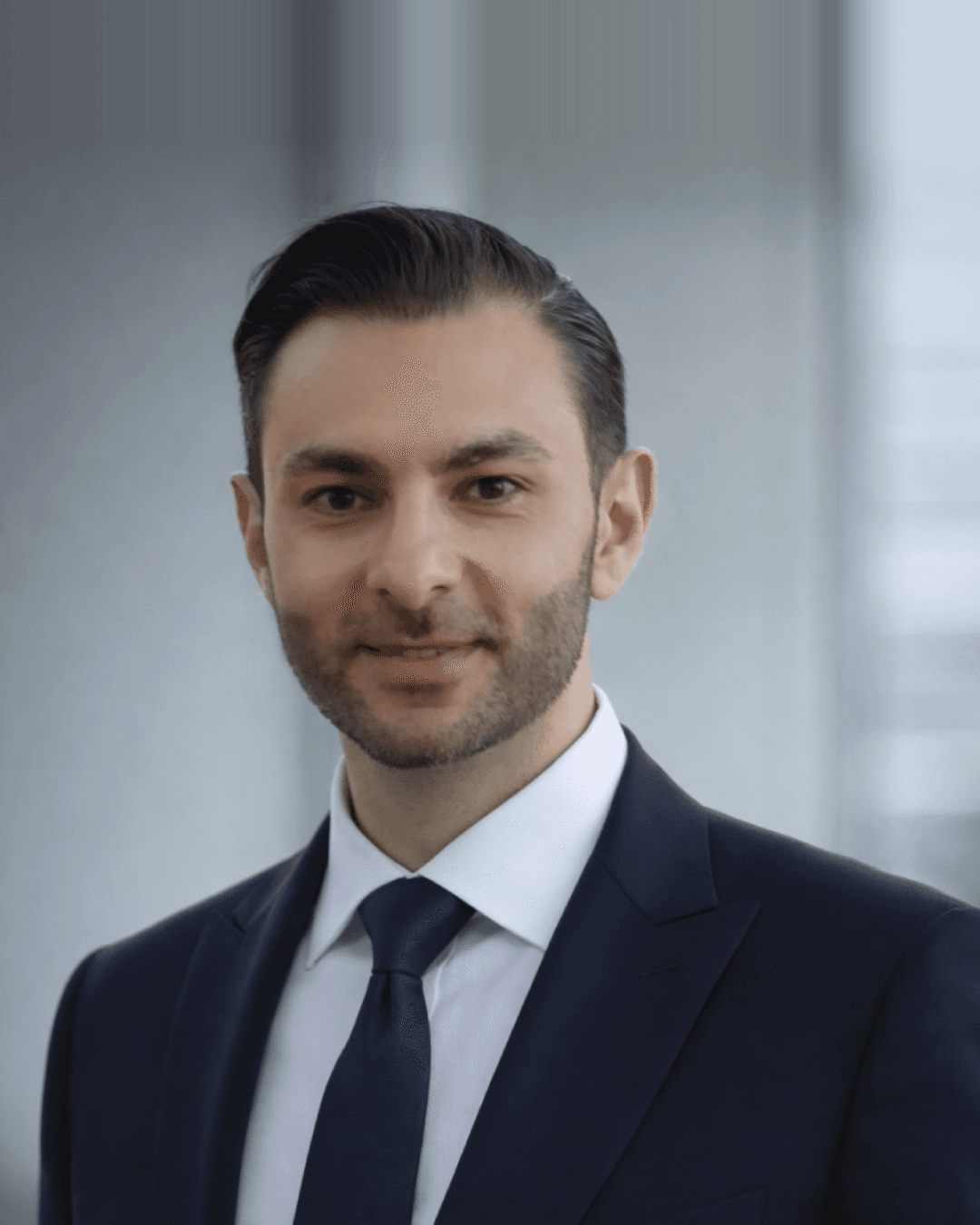
Edvin Telemi, MD
Fellowship-trained neurosurgeon
Before anything else, I want you to feel unrushed, heard, and certain about your decision. Spine surgery is complex, and the right choice is rarely the fastest one. I'll walk you through every option in plain language, and I'll always encourage a second opinion, because confidence should come from understanding, not pressure.
A new era of spine surgery
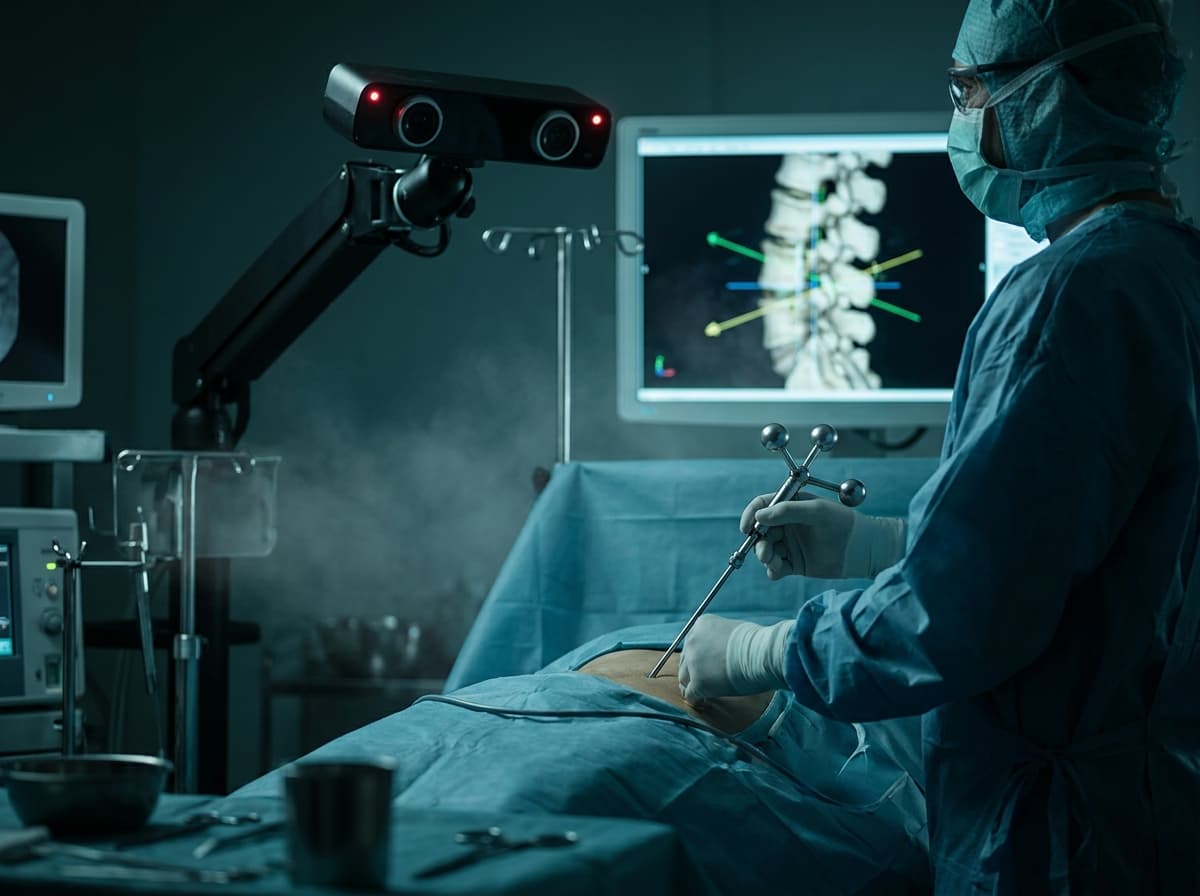
Spine surgery is changing faster than at any point in its history. New techniques and new technology now let an advanced spine surgeon solve problems that once demanded a large open operation with far less surgery: smaller corridors, muscle left intact, and, where it fits the anatomy, reconstruction that preserves motion instead of eliminating it.
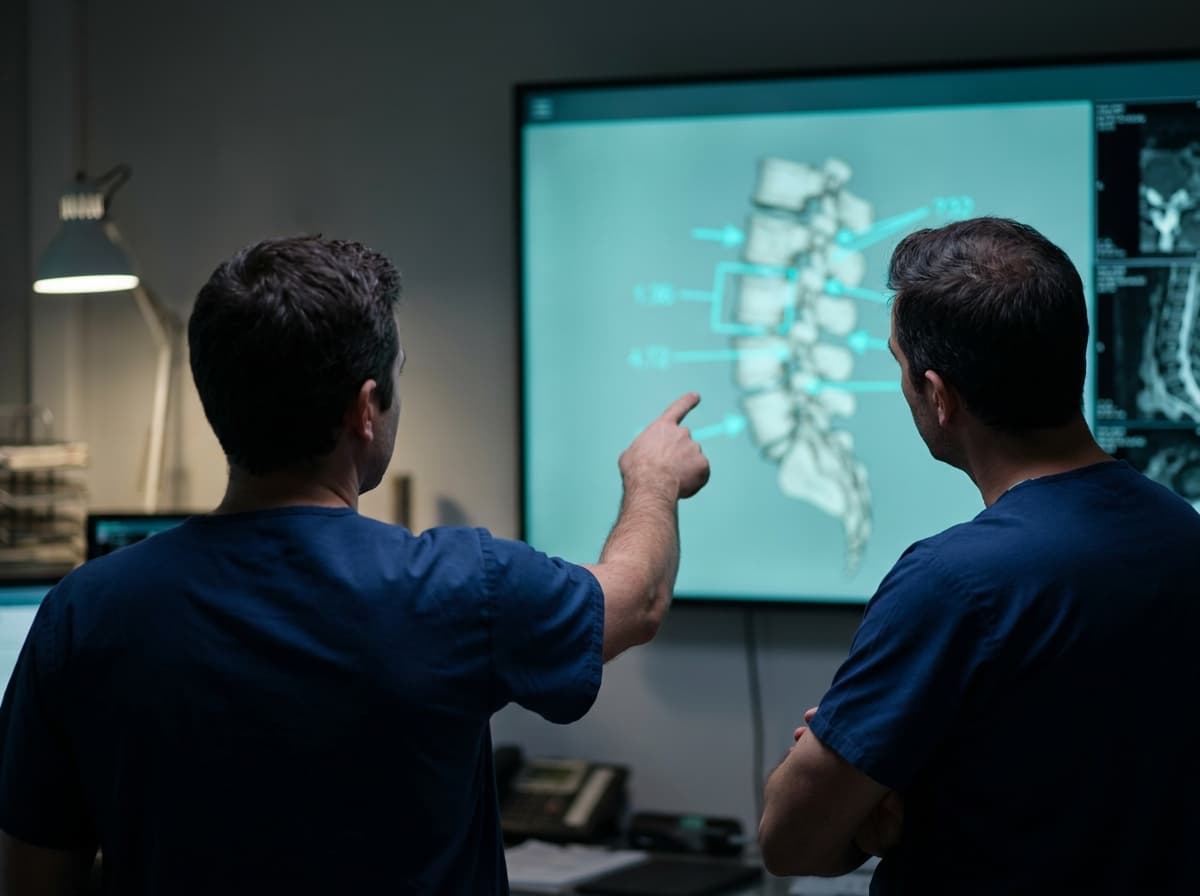
The planning has changed just as much. Advanced computational modeling and ongoing research let us measure alignment, understand how a construct will load, and design a reconstruction targeted to one spine rather than a standard one. That is the practice I am building: current technique, the best available technology, and data-driven, personalized surgical management.
And it still starts with a conversation
None of that means much until I know who you are. I want to hear your story and what you are actually trying to get back to, whether that is a full shift on your feet, a night of uninterrupted sleep, or picking up a grandchild. I spend the time to educate you on what your imaging shows, what each option would and would not fix, and what it would ask of you. Then we decide the best path forward together.
Motion-preserving reconstruction
Techniques that stabilize the spine while protecting natural movement, rather than fusing it by default.
Artificial disc replacement
Cervical and lumbar disc arthroplasty for appropriate candidates, relieving nerve pressure while keeping the segment mobile.
Minimally invasive & endoscopic
Smaller incisions, less muscle disruption, and faster recovery for the conditions that allow it.
Complex & revision spine
Deformity, instability, and reoperative cases that call for advanced reconstruction and careful planning.
Spinal cord & spine tumors
The full range of spinal tumor surgery: intradural tumors both intramedullary and extramedullary, and metastatic disease requiring decompression and stabilization.
Where the training comes from
The pedigree behind the practice, kept clear, not a wall of text.
Fellowship
Complex & Minimally Invasive Spine Surgery
UCLA Health, Los Angeles
Advanced training in motion-preserving reconstruction, artificial disc replacement, and minimally invasive technique.
Residency
Neurological Surgery
Henry Ford Hospital, Detroit
Seven years of neurosurgical training. Consultant of the Year, twice. Medical Student Teaching Award.
Medical school
Doctor of Medicine
University of Arizona College of Medicine, Tucson
Alpha Omega Alpha honor society.
Undergraduate
B.S. Evolutionary & Ecological Biology, B.S. Astronomy & Astrophysics
University of California, Los Angeles
Publications
Selected work on surgical outcomes and minimally invasive technique, published in the neurosurgical literature.
Full list on PubMed →Does Tighter Glycemic Control Beyond HbA1c of 8% Improve Outcome After Lumbar Spine Surgery?
Neurosurgery · 2024
Impact of serum albumin levels on postoperative complications after lumbar spine surgery
Journal of Neurosurgery: Spine · 2024
Minimally Invasive Transforaminal Thoracic Interbody Fusion: 2-Dimensional Operative Video
Operative Neurosurgery · 2023
Beyond the operating room
Michigan Spine Surgery Improvement Collaborative
Contributing surgeon-investigator in the statewide registry that tracks real spine surgery outcomes across Michigan. Roughly sixteen of the publications below draw on that data.
Peer-reviewed research
Twenty-seven indexed publications in the neurosurgical literature on surgical outcomes, risk, and minimally invasive technique. Three are listed above; the full list is on PubMed.
Teaching
Resident and medical-student teaching through a seven-year neurosurgical residency, recognized with the Medical Student Teaching Award and Consultant of the Year, twice.
Consultations are available in English, Persian, Armenian.
Professional profile on LinkedIn.
Professional memberships
Professional memberships
- Member, American Association of Neurological Surgeons
- Member, Congress of Neurological Surgeons
- Member, North American Spine Society
- Member, AO Spine
- Member, Michigan Association of Neurological Surgeons




Training



Edvin Telemi, MD is a member of the American Association of Neurological Surgeons, Congress of Neurological Surgeons, North American Spine Society, AO Spine and Michigan Association of Neurological Surgeons.
Get a second opinion.
Spine surgery is complex, and the right choice is rarely the fastest one. If you've been told you need surgery, bring your imaging and reports for a direct, unhurried read, and which approach fits, before you decide anything. Confidence should come from understanding, not pressure.
Request an appointment.
Send a short request and the office will call you back to schedule. Bring any imaging you already have, from anywhere. If you would rather talk it through first, the phone is often the faster route.
Prefer to call? (586) 803-1220